Putting on a Wetsuit: Tips for Triathlon Beginners
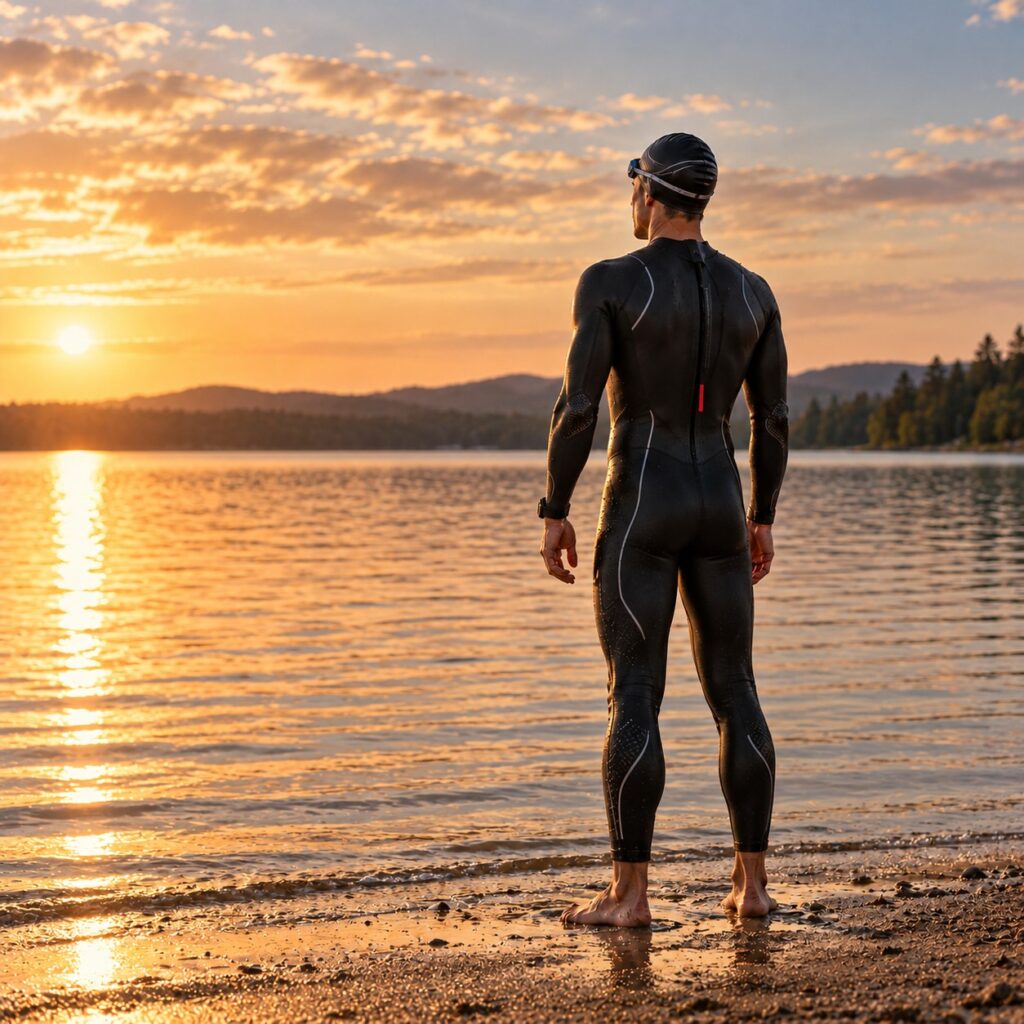
Anyone putting on a wetsuit for the first time is often in for a surprise: The material is tight, your range of motion feels restricted, and in the rush before the start, every move feels wrong. But putting it on isn’t rocket science—you just need the right technique and a few clever tricks to make sure everything fits properly and you feel comfortable in open water.
Why the Right Technique Matters When Putting on a Wetsuit
A wetsuit is a must for most triathletes in open water: It keeps you warm, provides buoyancy, and saves energy. But you can only reap these benefits if it fits properly. Creases in the shoulder area restrict arm movement, too much air in the wetsuit slows you down, and a poorly fitting collar can chafe or make it hard to breathe. Especially in the triathlon transition area, where every second counts, it’s crucial that you put on the wetsuit quickly and correctly—so you can enter the water feeling relaxed.
Preparation: What You Should Keep in Mind Before Getting Dressed
Good preparation makes all the difference. Before you put on your wetsuit, make sure that both you and the suit are fully prepared:
- Skin and Nails: Dry yourself off thoroughly if you’ve been in the water. Long fingernails can damage the delicate neoprene material—trim them short beforehand or be especially careful.
- Lubricant: Apply a small amount of Vaseline, Bodyglide, or a special neoprene lubricant to your neck, wrists, and ankles. This makes it easier to put on the wetsuit and prevents chafing.
- Plastic bags: An old triathlete’s trick: Slip thin plastic bags over your feet before putting on the leg sleeves. Your feet will then slide effortlessly through the tight spots, and you can simply pull the bags out afterward.
- Take your time: Make sure to set aside enough time, especially the first time. Rushing leads to mistakes, and a torn suit is frustrating.
Step by Step: How to Put on Your Wetsuit the Right Way
The process is always the same—whether you’re wearing a one-piece or a two-piece. Here’s the tried-and-true method for beginners:
1. Legs first
Sit down or stand with your feet firmly planted. First, pull the wetsuit over one foot, then the other. Slowly work the material upward by rolling it up bit by bit—never just pull it. Grasp the neoprene with your palms (not your fingertips!) to avoid damage. Make sure the wetsuit is evenly distributed over your calves, knees, and thighs, without any wrinkles or twisted seams.
2. Hips and Buttocks
Now pull the suit over your buttocks up to your hips. Here, too, the rule is: keep adjusting and smoothing it out to prevent air pockets or wrinkles from forming. The crotch should fit comfortably but snugly—if it’s too loose, it creates drag; if it’s too tight, it restricts movement.
3. Arms and Shoulders
Slip one arm into the sleeve, roll the fabric over your forearm and elbow until it rests against your shoulder. Repeat with the other arm. Make sure the shoulder seams are actually on your shoulders—not too far inward, or you won’t have enough armroom. Raise your arms and move them in a circular motion to check the fit.
4. Close the zipper
Most triathlon wetsuits have a zipper in the back. Reach over your shoulder or use the drawstring on the zipper to pull it up. Make sure the Velcro closure at the neck is secure but not too tight. A well-fitting collar should leave about a finger’s width of space.
5. Final Adjustments
Go over the entire suit one more time: Gently pull on the arms and legs to smooth out any wrinkles. Move around—circle your arms, squat down—and check to see if everything fits right. You may need to adjust the fabric again to ensure your shoulders and armpits have full range of motion.
Common Mistakes and How to Avoid Them
Even experienced triathletes sometimes make mistakes when putting on their wetsuits. Here are the most common ones:
- Pulling too quickly: The material is stretchy but delicate. Jerky movements can damage seams or cause tears.
- Fingernails: Sharp nails are the most common cause of small holes. Use the palms of your hands to pull the wetsuit up.
- Too much air: If air bubbles form, gently push them upward toward your neck or arms.
- Wrong size: A wetsuit that’s too big will be loose and slow you down; one that’s too small will restrict your breathing. Try on different sizes and brands before you buy.
Tips for the Triathlon Transition Area
On competition day, every second counts. Here are some tips to help you save time getting dressed and undressed:
- Practice beforehand: Put the suit on and take it off several times at home until you’ve got the hang of it. This will give you confidence.
- Use glide cream strategically: Focus on your neck, wrists, and ankles—the areas where you’ll be taking off the wetsuit.
- Unzip the suit: As soon as you get out of the water, start unzipping the suit on your way to the transition area. This saves valuable seconds.
- Donning aids: Special tools like FlipSoc from Erding make putting on the wetsuit easier by reducing friction and allowing the suit to glide smoothly over your skin—especially handy when your skin is damp.
Post-Competition Care
A well-maintained wetsuit will last longer and be easier to put on next time. After each use in open water, rinse it thoroughly with fresh water to remove salt, chlorine, and dirt. Hang it on a wide hanger—never in direct sunlight or in the dryer. Don’t fold it until it’s completely dry, and store it in a cool, dry place.
Bottom line: With the right technique, putting it on becomes second nature.
Putting on a wetsuit doesn’t have to be a challenge. With a little practice, the right techniques, and some clever tools, what starts out as a struggle will become a relaxed routine. You’ll gain confidence, save time in the triathlon transition area, and be able to focus fully on what really matters: your performance in open water. Try out these tips, practice at home, and head to the starting line feeling confident.
Are you looking for practical solutions that make getting dressed even easier? Then check out FlipSoc —you’ll find smart tools to help with your everyday triathlon routine.
🤖 This post was created with the help of AI and reviewed by us.