


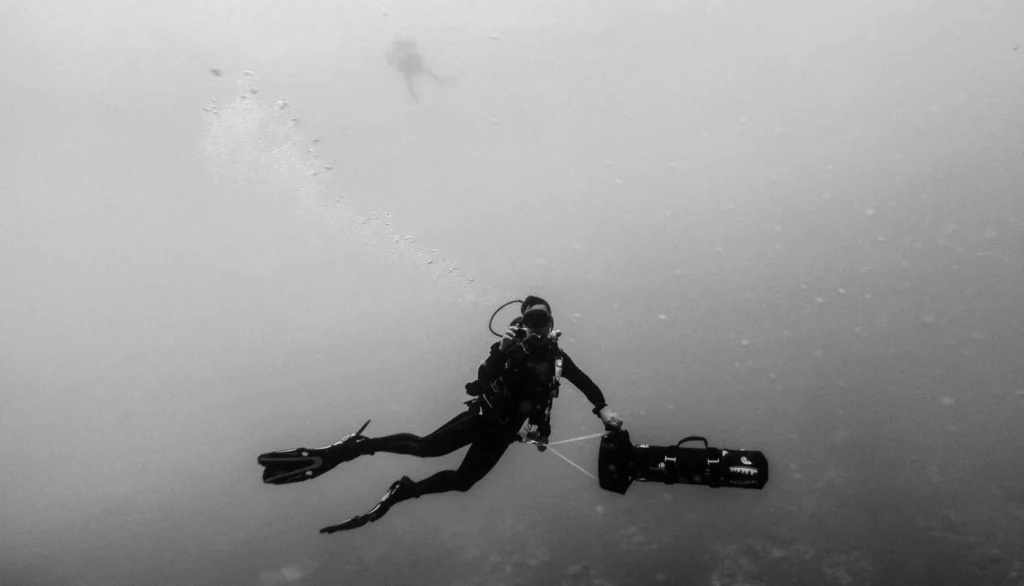
The Perfect Wetsuit for Diving—Protection, Comfort, and Performance
Diving is one of the most fascinating water sports, but it requires the right equipment to ensure a safe and enjoyable experience. A wetsuit isn’t just for staying warm—it’s also an essential piece of gear for ensuring comfort and freedom of movement. Here, you’ll learn everything about the benefits, selection, and care of a wetsuit for divers.
Why a Wetsuit Is Essential for Diving
- Thermal insulation: A wetsuit keeps you warm even in cold water by trapping a thin layer of water between the suit and your skin, which is warmed by your body heat. This insulation protects against hypothermia during longer dives and in deep water.
- Buoyancy control: Wetsuits provide buoyancy, which makes it easier to adjust your buoyancy and helps you float more easily while diving. This reduces the amount of energy you need to expend and allows for more efficient diving.
- Protection from Injuries: A wetsuit protects you from jellyfish stings, sharp corals, and other potentially dangerous marine life you might encounter while diving.
The Most Important Features of a Good Diving Wetsuit
- Suit Thickness: A 3-mm wetsuit is suitable for warm water, while 5–7 mm is ideal for colder waters. This thickness provides maximum warmth without significantly restricting mobility.
- Fit: A wetsuit should fit snugly to minimize the entry of cold water, while still allowing for freedom of movement. It is especially important that the wrists and ankles fit tightly.
- Additional Features: Some suits are equipped with special linings or water-repellent coatings that improve their insulating properties.
Different Types of Wetsuits for Divers
- Semi-dry suits: These suits minimize water ingress thanks to sealed seams and special gaskets on the zippers. They provide more warmth than traditional wet suits.
- Wet suits: These suits allow water to pass through, which is then warmed by the body. They are easier to put on and offer greater flexibility.
- Dry suits: Another option for extreme conditions, but one that requires a different approach.
The FlipSoc – Your Helper for Putting on Your Wetsuit
A wetsuit fits snugly, and putting it on can be a challenge, especially with thicker models. The FlipSoc makes it easier to put on and protects the fabric:
- Ergonomic and gentle: The FlipSoc helps you put on the suit without tugging or pulling, which prevents abrasion.
- Time savings: It makes getting dressed faster and makes it easier to handle even thicker wetsuits.
Steps for using FlipSoc:
- Place the FlipSoc at the hand or foot opening.
- Gently pull the suit over your limbs and adjust the fit.
- Repeat the process on the other side.
Care Instructions for Your Diving Wetsuit
- After the dive: Rinse the wetsuit with fresh water to remove salt and dirt. Salt crystals can damage the material over time.
- Drying: Always let the suit dry in a shaded area to prevent UV damage.
- Storage: Avoid storing the suit folded up; instead, hang it on a wide hanger.
Training Tips for Diving in a Wetsuit
- Getting Used to Your Wetsuit: Practice diving regularly in your wetsuit to get used to how it feels and the extra buoyancy.
- Buoyancy exercises: Practice buoyancy control in the pool before you go into open water. This helps you better control your buoyancy and movement.
Conclusion – Why a Wetsuit Is Your Most Important Companion When Diving
A high-quality wetsuit is essential for divers, as it provides protection, buoyancy, and comfort. When used with the FlipSoc donning aid, getting ready for a dive becomes much easier. Invest in proper care and a well-fitting wetsuit to make your dives safer and more enjoyable.
Interesting Links:
Photo credit: Photo by Adam Sherez on Unsplash